
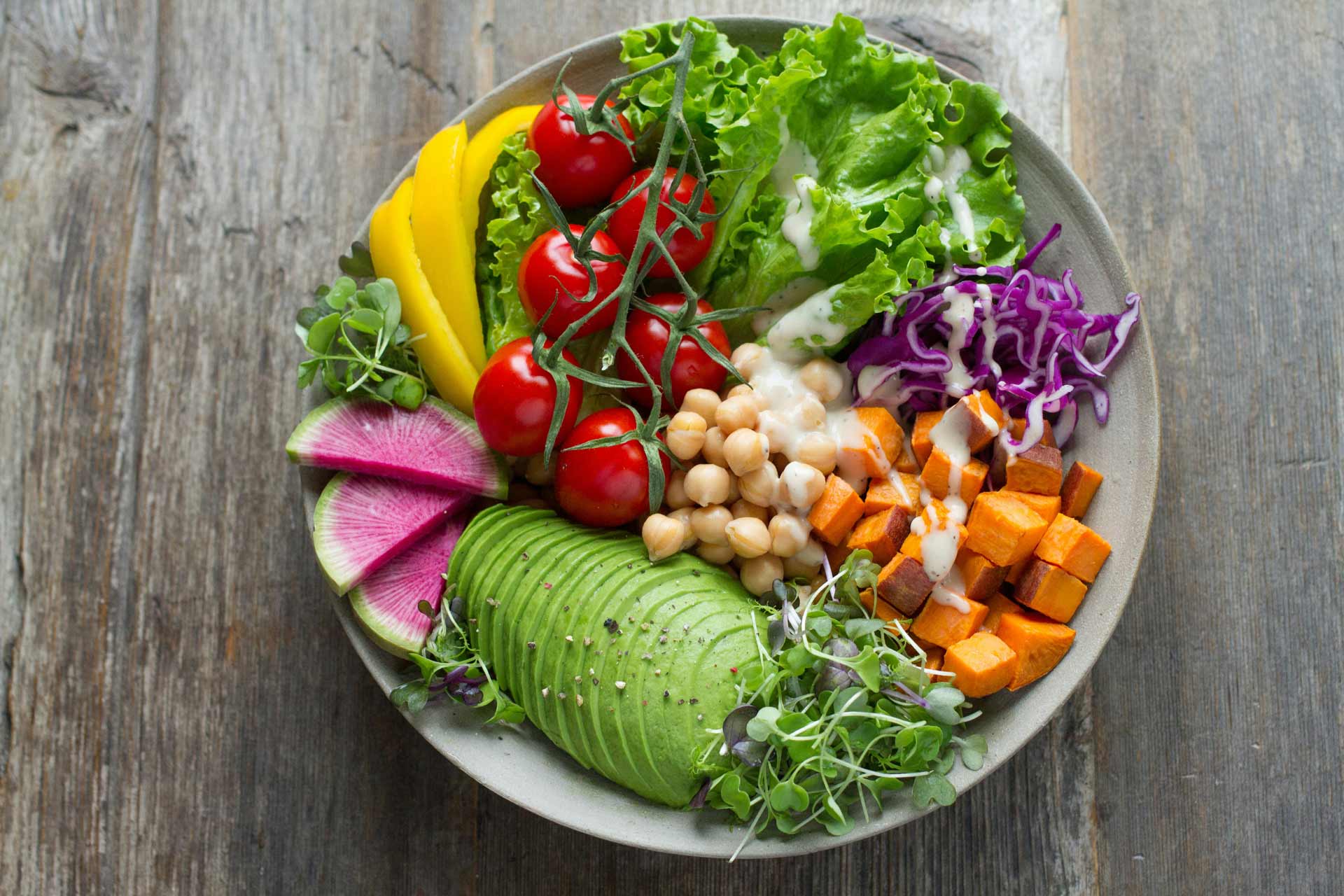
Just like sleep, nutrition plays a powerful role in mental health. What we eat doesn’t just fuel our bodies—it also affects brain chemistry, energy levels, inflammation, and even how resilient we feel emotionally. If you’ve ever noticed feeling more anxious, irritable, or low after days of irregular meals or highly processed foods, there’s a real biological reason for that.
This post is meant to gently explain how diet influences mental health and to offer evidence-based, realistic nutrition strategies that support emotional well-being—without perfection or strict rules.
🧠 How Nutrition Supports Brain and Mental Health
Your brain uses nutrients every single day to:
- Produce neurotransmitters like serotonin, dopamine, and GABA
- Regulate inflammation, which is linked to depression and anxiety
- Support stable blood sugar, which affects mood and focus
- Maintain the gut–brain connection, a key pathway in mental health
When the brain doesn’t get consistent nourishment, symptoms such as low mood, fatigue, anxiety, and brain fog can feel more intense or harder to manage.
🔄 The Food–Mood Connection
Mental health and nutrition influence each other in both directions:
- Depression or anxiety can reduce appetite, increase cravings, or disrupt meal patterns
- Irregular eating or nutrient-poor diets can worsen mood, energy, and stress tolerance
The encouraging news? Small, steady nutrition changes can gently improve emotional balance over time.
🌿 Evidence-Based Nutrition Tips to Support Mental Health
These suggestions are grounded in research but designed to be flexible and approachable. You don’t need to overhaul your entire diet—starting with one or two changes is often enough.
🥑 1. Prioritize Regular, Balanced Meals
Skipping meals can lead to blood sugar dips that mimic or worsen anxiety and irritability. Aim for meals or snacks that include:
- Protein (eggs, poultry, fish, beans, Greek yogurt)
- Healthy fats (olive oil, nuts, seeds, avocado)
- Complex carbohydrates (whole grains, fruits, vegetables)
This combination helps support steadier mood and energy throughout the day.
🐟 2. Include Omega-3 Fatty Acids
Omega-3s are linked to brain health and lower inflammation and have been studied as supportive treatments for depression.
Food sources include:
- Fatty fish (salmon, sardines, trout)
- Walnuts
- Ground flaxseed or chia seeds
Even adding fish once or twice a week can be helpful.
🥦 3. Nourish the Gut–Brain Connection
The gut and brain are closely connected through the nervous system and immune pathways. Diets rich in fiber and fermented foods support a healthier gut microbiome, which may positively affect mood.
Helpful options include:
- Fruits and vegetables
- Beans and lentils
- Yogurt with live cultures
- Kefir, sauerkraut, kimchi, or miso
Start slowly if these foods are new to you—gentle consistency matters more than quantity.
🍬 4. Be Mindful With Highly Processed Foods and Sugar
Highly processed foods and large swings in sugar intake can contribute to energy crashes and mood instability. Rather than eliminating foods, try:
- Pairing sweet foods with protein or fat
- Eating regularly to reduce intense cravings
- Choosing whole foods most of the time, not all the time
This approach supports balance without guilt or restriction.
💧 5. Don’t Forget Hydration
Even mild dehydration can affect concentration, mood, and fatigue. If you struggle with low energy or headaches, increasing water intake can make a noticeable difference.
A helpful goal is simply checking in with thirst regularly and keeping water nearby.
💛 Gentle Reminders About Nutrition and Mental Health
- There is no single “perfect” mental health diet
- Progress matters more than perfection
- Your needs may change based on stress, illness, medications, or life stage
If eating feels complicated or stressful, that’s important information—not a failure. Support from a clinician, dietitian, or therapist can help untangle the emotional side of food as well.
🌱 The Takeaway
Nutrition is not about control—it’s about supporting your brain and body with consistency and care. Small, nourishing choices can strengthen emotional resilience, improve energy, and make other treatments (like therapy or medication) work more effectively.
You deserve nourishment, just as much as you deserve rest and compassion. One meal, one step, one day at a time.